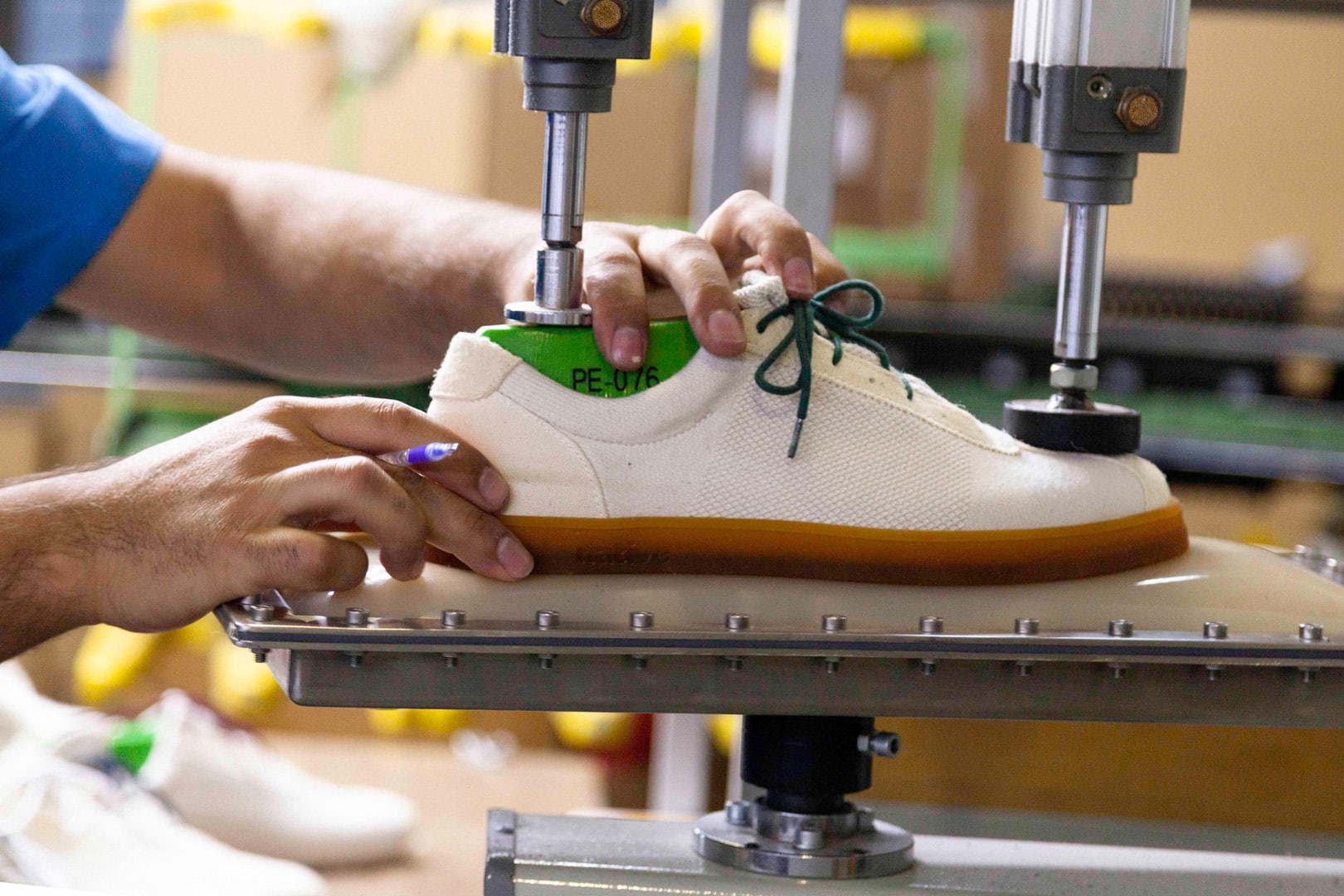
When we make shoes people usually think about the fabric, the sole and how it looks.. There is something small that is very important. That is how tight the thread is. It may seem like a thing but it can really change how the shoe looks and how long it lasts. If the sewing machine thread is not tight enough the shoe will not look nice and neat. It can also fall apart after a while.
Good thread tension helps make clean stitches. Thread tension is how tight the thread is when we sew the shoe together. When it is just right the stitch looks nice and even. It does not pull much on the top or the bottom. This makes the seam strong and smooth. For shoes this is especially important because shoes get bent, rubbed and pulled a lot.
If the thread is too tight it can cause a lot of problems. The material can start to pucker. The stitch line can look hard and uneven. Sometimes the thread can even cut into the material. Make it look bad. If the shoes are made of leather or synthetic material being too tight can leave marks. This makes the shoe look bad even if it is designed well. If the thread is too tight it can also break easily when we are making the shoes, which slows down production.
If the thread is too loose it is also bad. The stitches can look weak and open. There can be loops on the top or the bottom. The seam may not hold well when we wear the shoes for a time. For sports shoes or work shoes this can be a problem because they get used more roughly. Loose stitches could cause the shoes tear apart sooner than expected.
Getting the thread (nylon sewing thread) tension right is the primary goal. It should neither be too tight nor not too loose. It should be balanced based on the type of thread the needle, the material how dense the stitchesre how fast the machine is going. This balance helps make the shoes better and reduces problems during production.
Different materials need thread tension. Soft fabric is not the same as leather. Thick synthetic material is not the same as mesh. If we use the thread tension for all materials it can go wrong. The factory should always test the thread tension based on the material. This saves time. Makes the shoes more consistent.
The type of thread also matters. Different threads move through the machine differently. Some are smooth some stretch some are strong. Some are soft. Because of this the thread tension needs to match the thread. If not good thread may not work well.
The needle is also important. If the needle is the size it can mess up the thread. If the needle eye is too small the thread can. Break. If the needle is not right for the material the stitches can look bad. Sometimes people blame the thread. The problem is really the needle and the thread tension. These things should always be checked together.
How fast the machine goes is also important. In shoe factories sewing is often done fast to meet deadlines. When it goes too fast it can cause problems with the thread tension and the stitches. If the machine is fast and the thread tension is not right the thread can. The seam can look bad. A balance of speed, lubrication and thread tension is needed.
The people operating the machines also matter. Even a good machine with thread can make bad shoes if the settings are not right. The operators should know how to spot problems with the thread tension. They should check for loops, seams, gathering material or breaking thread. A little training can help them fix problems. This makes the shoes better. Reduces waste.
Taking care of the machines is also very important. Dust, lint and worn-out parts can change the thread tension without us noticing. This can cause problems with the stitches during production. If the machines are cleaned and checked regularly the thread tension stays stable. This helps make sure all the shoes are the quality.
Testing the thread tension before making a lot of shoes is an idea. A sample stitch, on the material can show if the thread tension is right. It is better to fix the settings before starting production. This saves thread, material, time and labor. It also reduces mistakes at the end. Good factories do not guess they test and then produce.
When the thread tension is just right it helps in ways. The stitches look cleaner the seam is stronger there is rework the thread breaks less the machine stops less and the quality of the shoes is more stable. Importantly the shoes look better and last longer.
In the end thread tension is not a machine setting it is what makes the shoes good. In shoe making a small change can make a difference. A good shoe needs design, good material and good stitches. When the thread tension is right the shoes turn out neat strong and reliable. That is why getting the thread tension right is a big part of making shoes.


